
Greg Biffle Plane Crash Breaking News: Multiple Fatalities Confirmed After Private Jet Owned by NASCAR Legend Crashes During Landing Attempt
Statesville, North Carolina – December 18, 2024
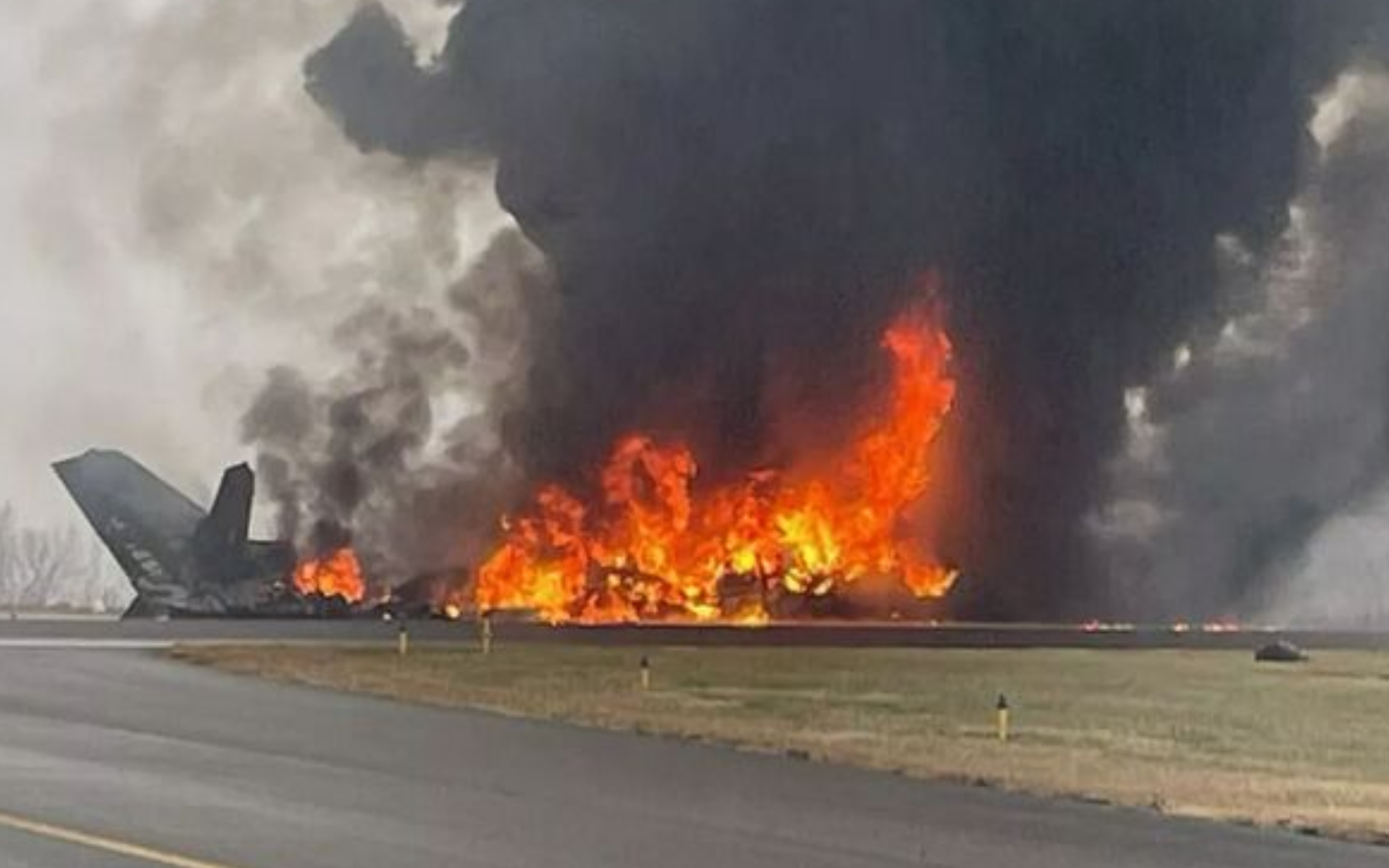
The Greg Biffle plane crash has devastated the NASCAR community and aviation industry after a private business jet registered to the retired NASCAR driver crashed during a landing attempt at Statesville Regional Airport. The Greg Biffle plane crash occurred Thursday morning, claiming multiple lives and leaving investigators searching for answers about what caused this tragic aviation accident.
Greg Biffle Plane Crash: Did Greg Biffle’s Plane Crash? Understanding the Breaking Story
Yes, the Greg Biffle plane crash involved a plane owned by Greg Biffle that was involved in a catastrophic crash. The Greg Biffle plane crash incident occurred at approximately 10:20 a.m. at the airport, located about 45 miles north of Charlotte. The aircraft involved in the Greg Biffle plane crash, identified as a Cessna C550 business jet with tail number N257BW, burst into flames upon impact, creating a massive fireball visible from nearby areas.
According to public records, the plane is owned by a private North Carolina company affiliated with retired NASCAR driver Greg Biffle. The aircraft was registered to GB Aviation Leasing, an LLC that shares the same address as Biffle himself. However, authorities have not yet confirmed whether the NASCAR legend was aboard the aircraft at the time of the crash.
The Greg Biffle Plane Crash: What Happened?
The Greg Biffle plane crash resulted in multiple fatalities, with the Iredell County Sheriff’s Office confirming that it is believed no one on board the plane survived. Details surrounding the Greg Biffle plane crash continue to emerge as emergency responders work at the scene. The exact number of casualties in the Greg Biffle plane crash has not been officially verified as the investigation continues.
Flight tracking data from FlightAware reveals that the Cessna 550 took off from Statesville Regional Airport at 10:06 a.m. before quickly attempting to return for an emergency landing approximately nine minutes later. This pattern suggests the pilot may have encountered serious difficulties shortly after takeoff, necessitating an immediate return to the airport.
Eyewitness accounts paint a harrowing picture of the aircraft’s final moments. A witness from nearby Lakewood Golf Club stated that the plane was “way too low” before it crashed, suggesting possible altitude or approach problems during the landing attempt.
Weather Conditions Under Investigation
Weather appears to have been a significant factor at the time of the accident. Fog was present at the time of the crash, with visibility at the airport limited to about 5 miles. The challenging conditions were severe enough that a news helicopter en route to the scene was forced to turn back due to limited visibility.
Investigators will examine whether these weather conditions contributed to the crash, along with other potential factors including mechanical failure, pilot error, or a combination of circumstances. The presence of fog during a landing attempt raises questions about instrument flight conditions and visibility during the crucial final approach.
Who is Greg Biffle? NASCAR Legend’s Aviation Connection
Greg Biffle is a highly accomplished retired NASCAR driver with an impressive racing pedigree. Born December 23, 1969, in Vancouver, Washington, Biffle became one of the sport’s most successful competitors during the 2000s. He is part of an elite group of drivers who won championships across multiple NASCAR national series, capturing the Craftsman Truck Series title in 2000 and the Busch Series championship in 2002.
Throughout his career, Biffle made more than 500 Cup Series starts and won 19 Cup Series races during his 20-year professional racing career. After stepping away from full-time competition, he remained involved in various business ventures, including aviation through his company GB Aviation Leasing.
The Statesville Regional Airport, where the tragedy occurred, has strong connections to the NASCAR industry. The city-owned facility provides corporate aviation services for Fortune 500 companies and several NASCAR teams, making it a familiar hub for racing professionals and aviation enthusiasts.
What Are the Allegations Against Greg Biffle?
It’s important to clarify that there are currently no allegations against Greg Biffle related to this plane crash. This tragic incident is an aviation accident under investigation by federal authorities, not a case involving allegations or criminal conduct.
The FAA and National Transportation Safety Board are conducting a thorough investigation to determine the cause of the crash. It is not known or confirmed whether Biffle was flying the aircraft when it crashed, and investigators have not released information about the identities of those aboard the plane.
Historically, Greg Biffle has had limited public controversies during his racing career. Any reference to “allegations” in connection with his name typically relates to a 2016 personal matter involving privacy concerns, which is completely unrelated to this aviation tragedy.
Is The Ghost of Flight 401 a True Story?
This question appears unrelated to the Greg Biffle plane crash but refers to a famous aviation incident from 1972. Yes, the story of Flight 401 is based on true events. Eastern Air Lines Flight 401 crashed into the Florida Everglades on December 29, 1972, killing 101 people. The Lockheed L-1011 TriStar was approaching Miami International Airport when the crew became distracted by a malfunctioning landing gear indicator light.
The tragedy gained additional notoriety from reports that claimed apparitions of the flight crew appeared on other Eastern Airlines aircraft where salvaged parts from Flight 401 had been installed. These ghost stories were popularized in a book by John G. Fuller titled “The Ghost of Flight 401,” though the paranormal aspects remain unverified.
The Flight 401 disaster remains significant in aviation safety history because it highlighted the dangers of crew distraction and led to important changes in cockpit resource management protocols that are still used today.
Why Did Christina Not Talk After the Plane Crash?
This question appears to reference the 2004 film “Flight of the Phoenix” or potentially a specific real-life aviation survivor story. Without specific context, it’s difficult to address this particular query definitively as it doesn’t relate to the Greg Biffle plane crash incident.
In general, plane crash survivors may experience various forms of trauma-related silence, including:
- Psychological trauma and PTSD that can cause selective mutism
- Physical injuries affecting speech capabilities
- Survivor’s guilt leading to withdrawal from communication
- Medical shock causing temporary inability to speak
If this question relates to a specific incident or fictional narrative you’re interested in learning more about, please provide additional context for a more detailed explanation.
Federal Investigation Underway
The crash scene has drawn a massive multi-agency response. City Manager Ron Smith stated that federal, state, county, and local authorities are all on-site conducting the investigation. The Federal Aviation Administration has confirmed they are responding to the scene, with the National Transportation Safety Board taking the lead in the investigation.
Flight logs from FlightAware indicate that the aircraft was traveling at speeds exceeding 100 mph at the time of the accident, with data transmission stopping just before 10:15 a.m.
Investigators will examine multiple factors including:
- Flight data recorder information (if equipped)
- Air traffic control communications
- Weather conditions and visibility
- Aircraft maintenance records
- Pilot experience and qualifications
- Potential mechanical failures
- Fuel system analysis
The investigation process typically takes several months to complete, with a preliminary report expected within weeks and a final comprehensive report potentially taking over a year.
Community Response and NASCAR’s Reaction
The NASCAR community has been deeply affected by this tragedy. The Statesville Regional Airport serves as a vital hub for NASCAR teams and personnel, making this incident particularly close to home for many in the racing industry.
As of this reporting, official statements from NASCAR, Greg Biffle’s representatives, or confirmed details about the victims have not been released. The focus remains on the ongoing investigation and supporting those affected by this devastating accident.
Safety Concerns and Aviation Statistics
This incident underscores the inherent risks associated with private aviation. While business jets like the Cessna C550 are generally considered safe aircraft with strong safety records, accidents can occur due to various factors including weather, mechanical issues, or human error.
The Cessna Citation II series, which includes the C550 model involved in this crash, has been in operation since the 1970s and has an established track record. However, any aircraft can be vulnerable during critical phases of flight such as takeoff and landing, particularly in adverse weather conditions.
Conclusion: Awaiting Answers
The Greg Biffle plane crash represents a tragic loss of life and a sobering reminder of aviation risks. As federal investigators work to piece together the sequence of events that led to this catastrophe, the NASCAR community and aviation industry await answers about what caused this devastating accident.
The exact number of casualties, the identities of those aboard, and whether Greg Biffle himself was on the plane remain unknown as of this writing. Authorities continue to work at the crash scene, and updates are expected as the investigation progresses.
This remains a developing story, and more information will be released as investigators gather evidence and interview witnesses. The thoughts of the entire motorsports community are with the victims, their families, and everyone affected by this heartbreaking tragedy.